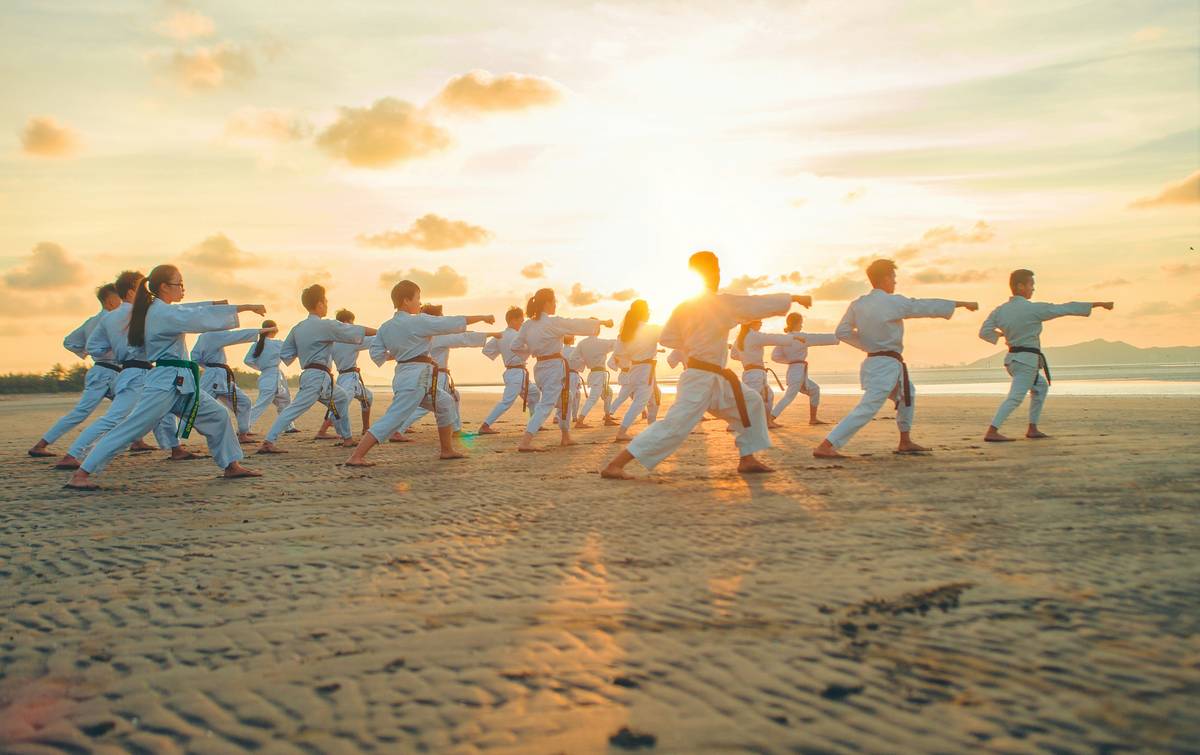
Most people think self-defense starts with learning how to throw a punch. It doesn’t. The real problem? They’re unprepared for the chaos—the adrenaline dump, the split-second decisions, the panic that blanks your mind mid-confrontation. Traditional fitness programs train muscles, not instincts. But benefits of martial arts training go far beyond technique. They rewire your nervous system for calm under pressure.
Why Gym Workouts and YouTube Tutorials Fail for Real Self-Defense
Lifting weights builds strength—great for aesthetics, useless when someone grabs you from behind in a parking lot. Online tutorials? They assume perfect conditions: clean floors, polite attackers, no fear. Reality isn’t like that. And most “self-defense” classes skip the psychological layer entirely.
You can bench 200 pounds but freeze when startled. That’s not weakness—it’s lack of stress inoculation. Martial arts uniquely simulate threat scenarios until your body stops panicking and starts responding. No other modality does this consistently.
How to Choose the Right Martial Art for Practical Self-Defense (Step-by-Step)
Not all dojos are created equal. Here’s how to cut through the noise:
Assess Your Environment First
Urban dwellers face different threats than rural hikers. Close-quarters striking (like Krav Maga) dominates city defense; ground grappling (Brazilian Jiu-Jitsu) matters less if you’re avoiding asphalt ambushes.
Test for Stress Drills—Not Just Forms
If your instructor only teaches kata or static combinations, walk away. Real benefit comes from live sparring, scenario-based drills, and adrenal stress conditioning. Ask: “Do students train blindfolded, exhausted, or in low light?” If not, it’s performance—not preparedness.
Evaluate Time-to-Competence
You don’t need a black belt to defend yourself. Some systems deliver usable skills in 3–6 months. Others take years just to spar safely. Speed matters when safety is urgent.
| Martial Art | Time to Basic Self-Defense Proficiency | Monthly Cost (Avg.) | Best For |
|---|---|---|---|
| Krav Maga | 3–6 months | $120–$200 | Urban survival, weapon disarms, multiple attackers |
| Brazilian Jiu-Jitsu | 12–18 months | $100–$180 | 1-on-1 ground control, police/security work |
| Wing Chun | 6–9 months | $80–$150 | Close-range defense in tight spaces |
| Traditional Taekwondo | 18+ months | $70–$120 | Fitness, discipline—limited real-world applicability |

The Industry Secret: Martial Arts Train Your “Second Brain”
Here’s what studios won’t advertise: martial arts don’t just teach you to fight—they teach you to not fight. The real edge? De-escalation instinct. After months of controlled aggression, students develop an uncanny ability to read micro-expressions, project calm authority, and avoid conflict before it starts.
Think about it. A mugger wants resistance, fear, panic. A trained practitioner emits none of those signals. Their posture, eye contact, and breathing subconsciously say, “Not worth it.” —That’s deterrence without throwing a single strike. Most beginners never realize this is part of the benefits of martial arts training. It’s the hidden ROI.
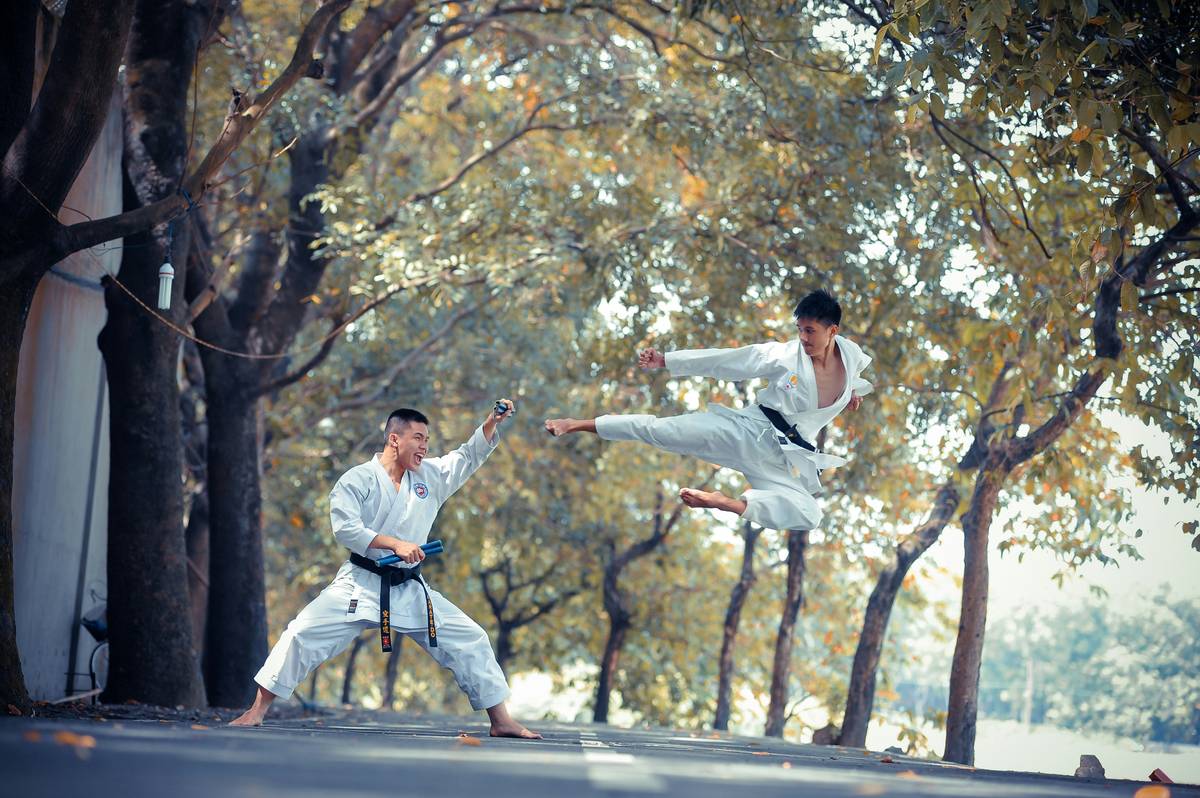
FAQ
What are the mental health benefits of martial arts training?
Reduced anxiety, improved focus, and emotional regulation. The structured repetition creates neural stability—especially helpful for ADHD and PTSD sufferers.
Can martial arts help kids with confidence?
Absolutely. But only if the school emphasizes growth over competition. Look for instructors who celebrate effort, not just belts or trophies.
Is 40 too old to start martial arts?
No. Many adults begin in their 50s. Choose a style with joint-friendly techniques (like Aikido or modified Krav). Mobility beats youth every time.