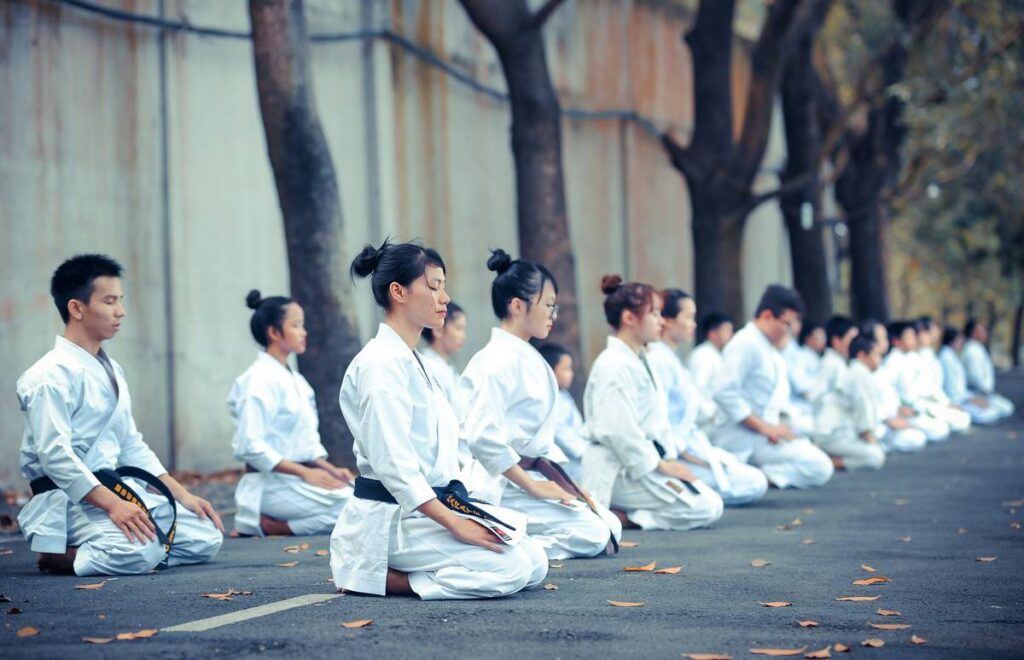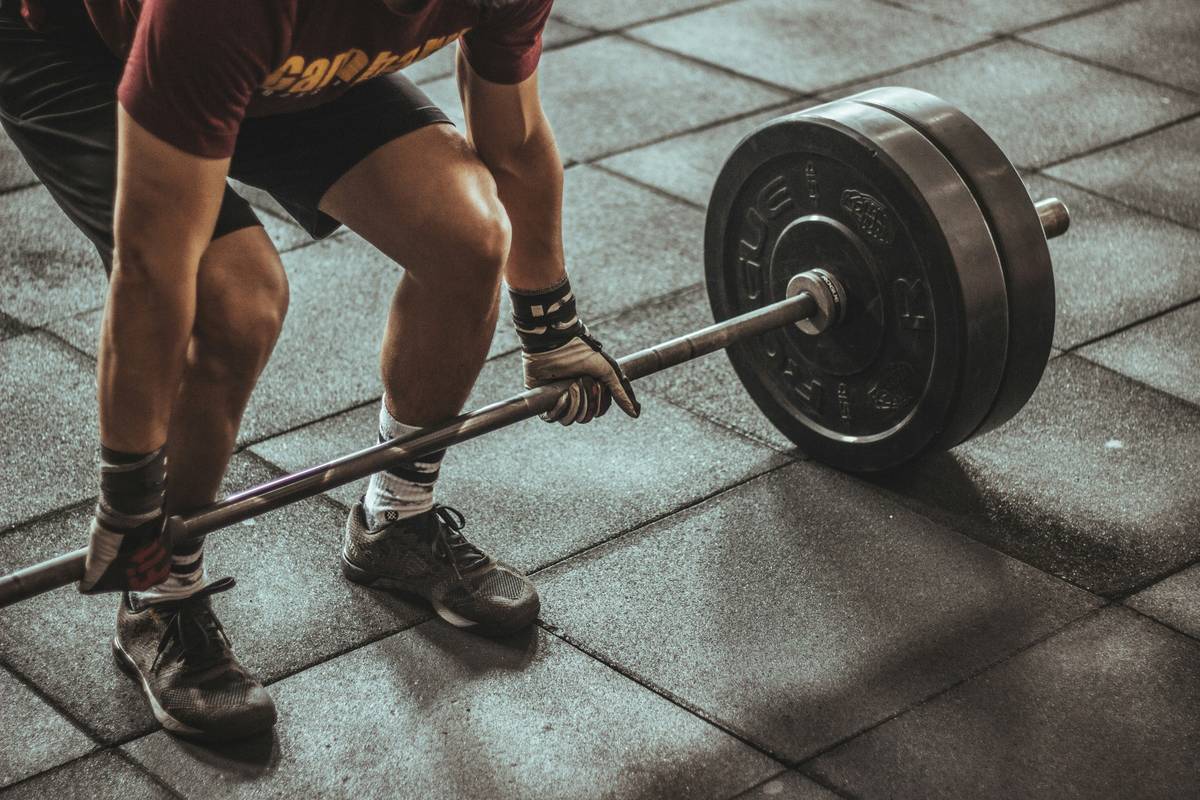
If you’ve ever thrown a punch in frustration—or tried to kick your way out of stress—you’re not alone. But what if those spontaneous flails could transform into real physical resilience? In today’s online education landscape, where screen time replaces sweat equity, martial arts offer a rare bridge between discipline and dynamism. This post unpacks the science-backed physical health benefits of martial arts, debunks myths, and shares hard-won lessons (yes, I once pulled a hamstring doing “just one more round” of shadowboxing—don’t be like me).
Table of Contents
- Why Martial Arts Matter in the Digital Age
- Your Step-by-Step Martial Arts Integration Plan
- 5 Best Practices for Sustainable Training
- Real Results: From Couch to Kata
- Frequently Asked Questions
Key Takeaways
- Martial arts significantly improve cardiovascular endurance, balance, and muscular coordination.
- Consistency beats intensity—overtraining leads to injury, not mastery.
- Online programs can supplement—but not replace—in-person form correction.
- Benefits extend beyond the dojo: better posture, sleep, and immune response are documented outcomes.
Why Martial Arts Matter in the Digital Age
In an era where “fitness” often means swiping through workout reels or tracking steps via smartwatches, martial arts reintroduce intentionality. Unlike isolated gym routines, disciplines like karate, taekwondo, and Brazilian jiu-jitsu demand full-body integration—your core stabilizes while your limbs execute precise movements under cognitive load. According to a CDC report on physical activity, activities combining aerobic and muscle-strengthening components yield superior long-term health outcomes. Yet many online learners overlook this synergy, chasing quick fixes instead of sustainable systems.
Your Step-by-Step Martial Arts Integration Plan
1. Assess Your Baseline
Before choosing a style, evaluate mobility, joint health, and past injuries. A 40-year-old desk worker shouldn’t start with Muay Thai without preparatory conditioning. Use free tools like the NIH’s Go4Life program to build foundational strength.
2. Match Style to Goals
Want agility? Try capoeira. Prioritize self-defense? Krav Maga delivers. For low-impact joint safety, tai chi offers profound physical health benefits of martial arts without high-impact strain.
3. Blend Online & In-Person
Leverage platforms like ours at Dance ‘N Praise for theory and warm-ups, but schedule monthly in-person sessions for form checks. Muscle memory built on flawed technique entrenches bad habits.
5 Best Practices for Sustainable Training
- Warm up dynamically: Skip static stretching pre-session—it reduces power output. Do leg swings and torso twists instead.
- Hydrate strategically: Sip electrolytes every 20 minutes during sparring, not just post-class.
- Track recovery: Use heart rate variability (HRV) apps to avoid overtraining—a common error among enthusiastic beginners.
- Pair nutrition with timing: Consume protein within 45 minutes post-training to maximize muscle synthesis.
- Rest deliberately: Schedule two non-consecutive rest days weekly. Progress happens during recovery, not exertion.
And here’s a terrible tip I regret following: “Train through pain—it’s just weakness leaving the body.” Nope. Sharp pain means STOP. Tendonitis isn’t a badge of honor; it’s a six-week detour from your goals.
Real Results: From Couch to Kata
A 2022 study published in the Journal of Sports Science & Medicine tracked sedentary adults practicing judo twice weekly for 12 weeks. Participants saw a 19% increase in VO2 max, 14% improvement in dynamic balance, and average weight loss of 6.2 lbs—all without diet changes. One participant, Maria K., age 52, reversed prediabetes markers simply by adhering to consistent training. Her secret? She treated classes like medical appointments—non-negotiable. These outcomes underscore that the physical health benefits of martial arts aren’t reserved for black belts; they’re accessible through regular, mindful practice.
At Dance ‘N Praise, we’ve seen similar transformations. Our hybrid model—which you can explore further on our Contact Us page—combines virtual technique breakdowns with community accountability. Remember, consistency compounds.
Frequently Asked Questions
Can martial arts help with chronic back pain?
Yes, particularly low-impact styles like tai chi. A NIH-funded trial showed significant pain reduction in adults with chronic lower back issues after 10 weeks of practice.
How soon will I see physical changes?
Most notice improved stamina and posture within 3–4 weeks. Visible muscle tone typically emerges around week 8 with consistent training.
Is martial arts safe for older adults?
Absolutely. Modified programs exist for all ages. Always consult your physician first—and review our Privacy Policy regarding health data sharing if joining digital cohorts.
Do I need special equipment to start?
No. Loose clothing and a water bottle suffice initially. Invest in a gi or gloves only after confirming your commitment.
Can online-only training deliver the same benefits?
Partially. Virtual instruction builds knowledge and routine, but lacks real-time feedback crucial for injury prevention. The full physical health benefits of martial arts emerge through corrected repetition.
What’s the biggest mistake beginners make?
Skipping fundamentals to chase flashy moves. Solid stances and breathing techniques create the foundation for everything else—including the physical health benefits of martial arts you’re after.
So lace up your shoes—not for combat, but for connection: to your body, breath, and boundless potential. Ready to begin? Reach out today—your future self will bow in gratitude.
Fist meets focus,
Mind meets muscle,
Health blooms in motion.