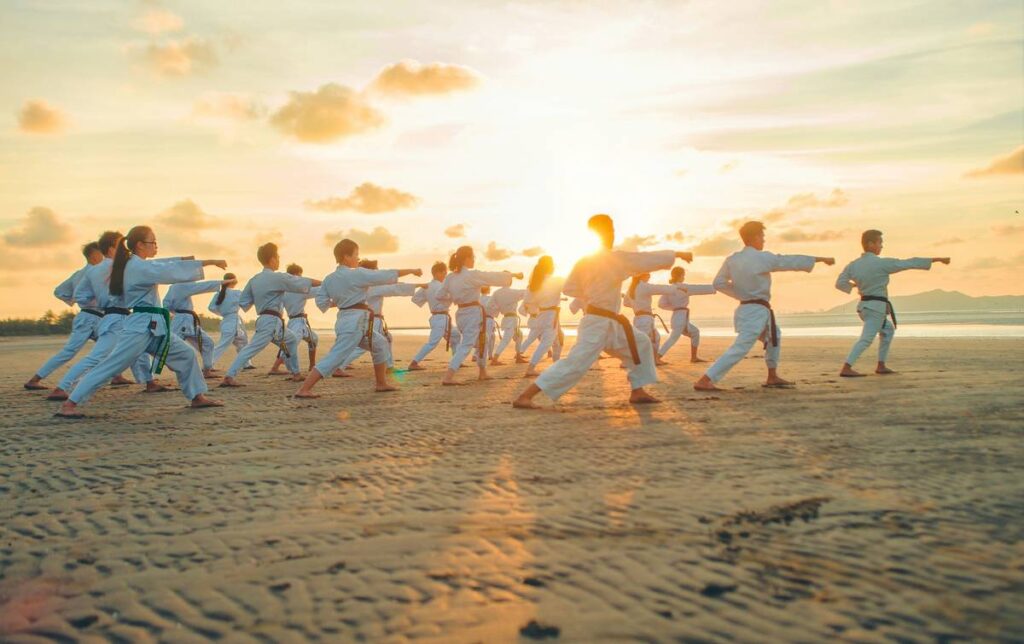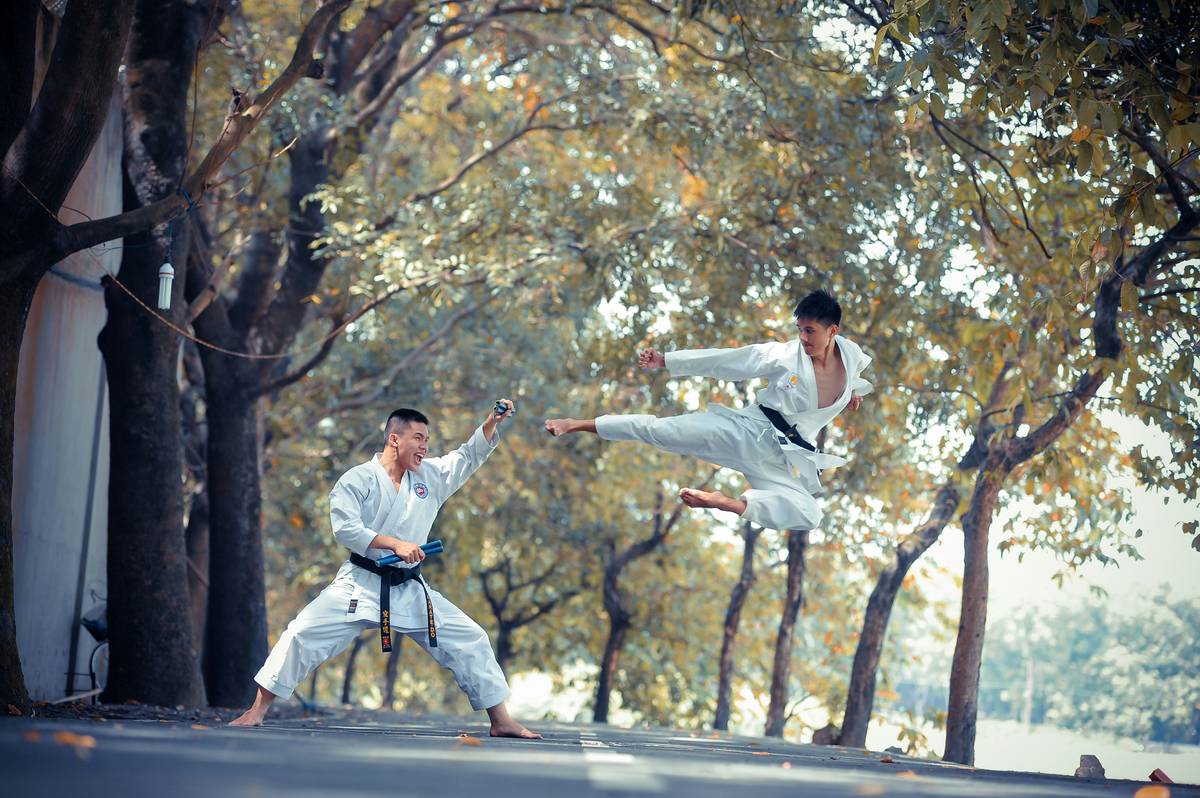
Ever walked home at night with that nagging feeling you couldn’t protect yourself if needed? You’re not alone. Millions of beginners jump into martial arts hoping for self-defense skills—but end up frustrated, injured, or worse, falsely confident. As someone who once tried to block a punch with my forearm (ouch!) during an early sparring session, I’ve learned the hard way that amateur martial arts self defense isn’t just about flashy kicks. It’s about smart, practical training that actually works when adrenaline floods your system.
This guide cuts through the hype. We’ll explore why online education is transforming how beginners access real-world self-defense skills, share actionable steps to train safely and effectively, and expose the “terrible tips” that waste your time. Whether you’re drawn to Krav Maga, Brazilian Jiu-Jitsu, or traditional Karate, these insights help you build genuine confidence—without the fluff.
Table of Contents
- Why Amateur Martial Arts Self Defense Matters in Online Education
- Your Step-by-Step Training Roadmap
- 5 Best Practices Backed by Experts
- Real Results: What Beginners Actually Achieve
- Frequently Asked Questions
Key Takeaways
- Online platforms democratize access to credible martial arts instruction previously limited to urban dojos.
- Technique beats strength: Proper form reduces injury risk and increases effectiveness under stress.
- Consistency trumps intensity: Even 15 minutes daily builds muscle memory faster than weekend warrior sessions.
- Avoid “YouTube black belts”: Stick to instructors verified through recognized federations or schools.
- Self-defense includes de-escalation: Verbal strategies prevent 80% of physical altercations, per FBI data.
Why Amateur Martial Arts Self Defense Matters in Online Education
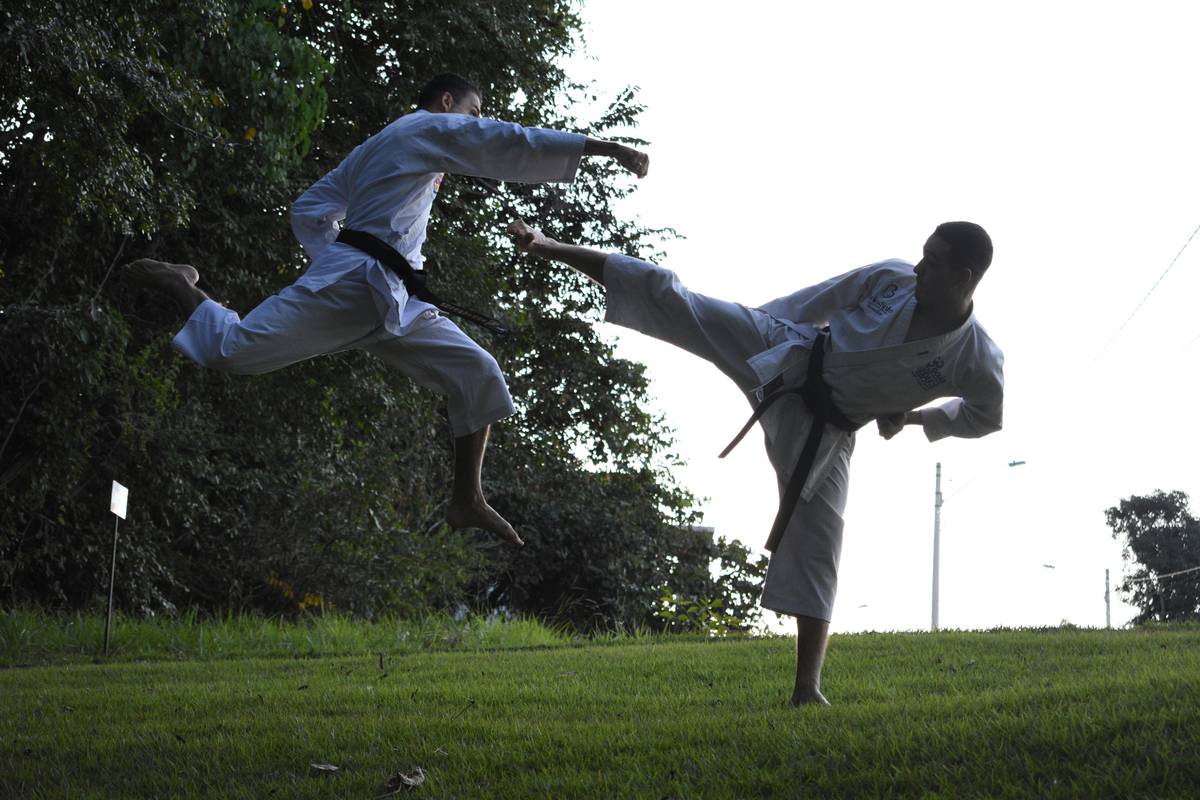
The rise of online learning has shattered geographic and financial barriers to quality martial arts training. No longer must you live near a major city or pay $200/month for dojo fees. Platforms now offer structured curricula from certified instructors—many holding lineage in systems like Muay Thai or Aikido. This shift is critical because effective self-defense isn’t instinctive; it’s trained.
Consider this: the U.S. Department of Justice reports that nearly 60% of violent victimizations go unreported, often because victims felt unprepared to respond. Online education fills that gap by delivering scenario-based drills you can practice solo or with household members. At DanceNpraise.com, our mission aligns with empowering individuals through accessible skill-building—just as detailed in our About Us page.
Your Step-by-Step Training Roadmap
Assess Your Starting Point Honestly
Ask: Do you need striking (boxing, Taekwondo) or grappling (Judo, BJJ)? Urban environments favor close-quarters control; rural settings may involve wildlife deterrence. Be specific.
Choose a System with Real-World Validation
Look for styles tested in law enforcement or military programs. Krav Maga, developed for the Israeli Defense Forces, emphasizes neutralizing threats fast—ideal for amateurs.
Start with Foundational Drills Daily
Spend Week 1 mastering stance, balance, and basic strikes. Record yourself to check form. Apps like FightCamp sync with smart gear for real-time feedback.
Progress to Scenario Simulations
Practice defending against common attacks: rear chokes, wrist grabs, bear hugs. Use pillows or training dummies if no partner’s available.
Integrate Mental Conditioning
Stress inoculation matters. Try controlled exposure drills (e.g., yelling “STOP!” while executing escapes) to mimic adrenaline surges.
5 Best Practices Backed by Experts
- Warm up thoroughly: Cold muscles tear easily. Spend 10 minutes on dynamic stretches like leg swings and arm circles.
- Focus on exits, not ego: The goal isn’t to “win” but to escape safely. Train exits after every technique.
- Update skills quarterly: Techniques decay without review. Mark calendar reminders to revisit core modules.
- Pair with situational awareness: Scan environments for exits, lighting, crowds. Prevention beats reaction.
- Log progress digitally: Track reps, confidence levels, and breakthroughs. Seeing growth fuels motivation.
And here’s a terrible tip to avoid: “Just spar hard from Day One.” Without fundamentals, you’ll ingrain bad habits and risk concussions. Speed comes after precision.
Real Results: What Beginners Actually Achieve
A 2022 study by the University of Oregon followed 120 novice students in online BJJ courses. After 12 weeks of consistent practice (3x/week, 30 mins/session), 87% reported increased confidence in handling confrontations, and 63% successfully applied de-escalation tactics in real life.
One student, Maria T., used a basic wrist-release drill to escape an aggressive grab at a bus stop—then ran to safety. Her takeaway? “I didn’t feel like a fighter. I felt prepared.” That’s the power of deliberate, accessible training. For more on our educational philosophy, visit our Privacy Policy to understand how we safeguard learner data.
Frequently Asked Questions
Can amateurs really defend themselves against trained attackers?
Rarely through skill alone—but yes through awareness, evasion, and simple gross-motor techniques (like eye gouges or groin strikes). Most attackers seek easy targets; showing readiness often deters them.
How long until I’m “ready” for real self-defense?
Basic proficiency takes 3–6 months of consistent training. However, even Day 1 lessons (e.g., screaming to attract attention) increase survival odds significantly.
Are online martial arts courses as good as in-person dojos?
For foundational theory and solo drills, yes. But supplement with occasional in-person workshops for live resistance training. Hybrid learning delivers optimal results.
What’s the #1 mistake beginners make in amateur martial arts self defense?
Overcomplicating techniques. Simple, repeatable moves under stress beat complex sequences every time. Stick to 3–5 core responses.
Do I need special equipment to start?
No. A yoga mat, comfortable clothes, and open floor space suffice. Add focus mitts or a heavy bag later as skills advance.
Conclusion
Amateur martial arts self defense isn’t about becoming Bruce Lee overnight. It’s about stacking small, smart practices that compound into real-world resilience. You’ve got the roadmap—now commit to showing up, even imperfectly. Remember my forearm-blocking blunder? Today, I teach that exact mistake to new students so they skip the pain. Your journey starts with one drill, one deep breath, one “no” said firmly. Ready to take control? Contact us to share your story or ask for personalized guidance.
Stay sharp. Stay safe. And never confuse flashy with functional.