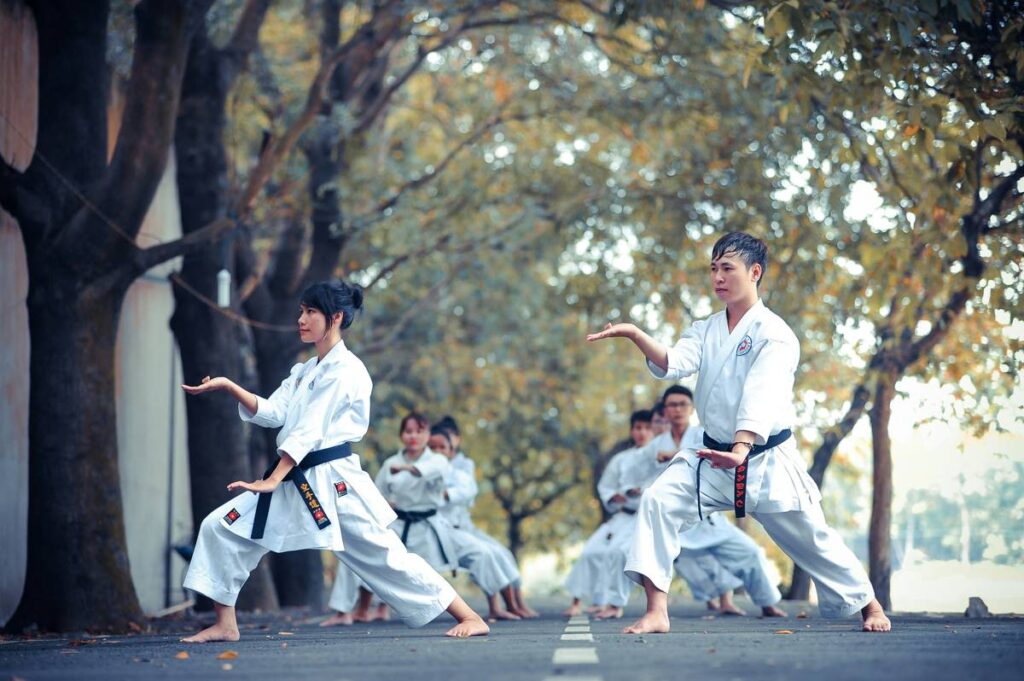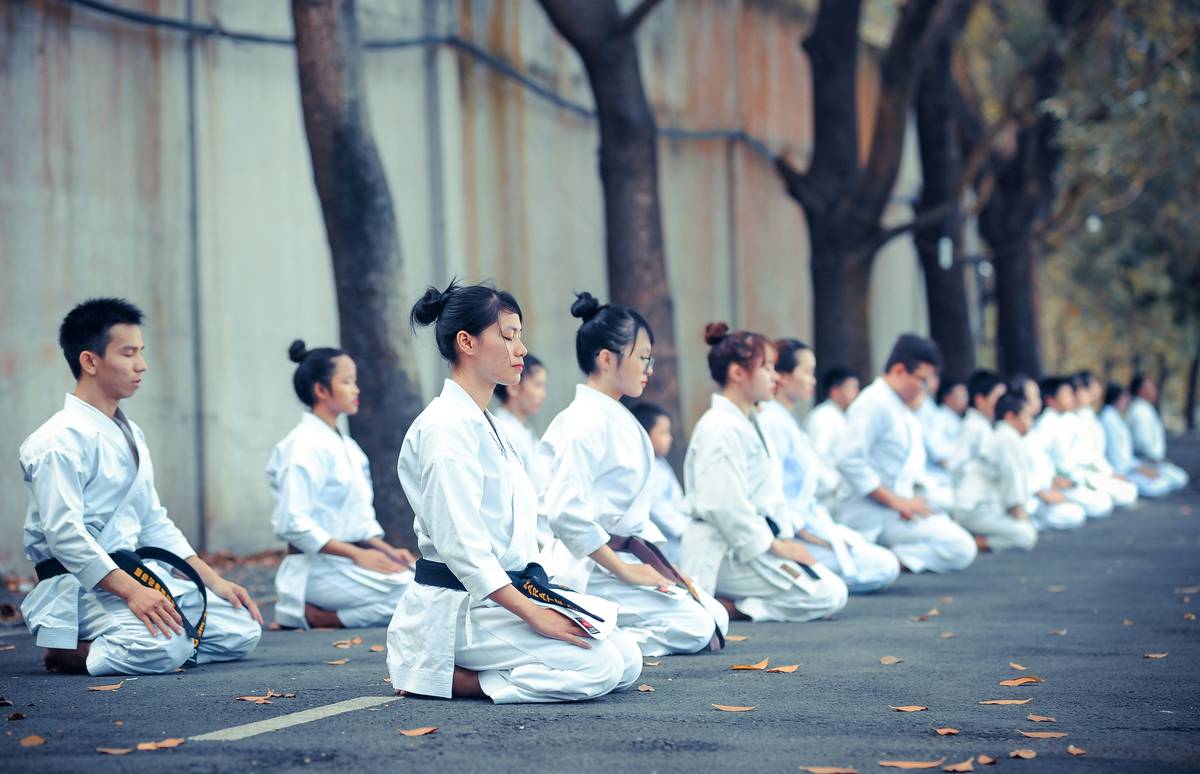
You’re lifting. You’re running. You’re tracking macros like a hawk. But your fitness plateaus—again. And worse, you feel stiff, disconnected from your body, like you’re just going through the motions. That nagging sense that something’s missing? It’s not discipline. It’s dimension. Enter fitness martial arts benefits—the fusion of physical conditioning and embodied intelligence most gyms ignore.
Why Traditional Fitness Falls Short for Real-World Strength
Cardio machines don’t teach you to pivot under pressure. Free weights won’t sharpen your reaction time when you trip on uneven terrain. Most fitness programs build isolated muscles—not integrated resilience. They miss spatial awareness, dynamic balance, and stress inoculation. You get “in shape” for the gym mirror, not for life.
And let’s be honest—repetition without purpose breeds boredom. Burnout isn’t failure. It’s a signal. Your body craves complexity. Martial arts answer that call.
Fitness Martial Arts Benefits: A Step-by-Step Integration Guide
Start where you are. You don’t need a black belt—or even a gi. Just consistent, intelligent movement layered into your existing routine.
Assess Your Movement Gaps
Do you favor one side? Can you move fluidly backward or laterally? Many lifters have explosive push strength but poor deceleration control. Martial arts expose these imbalances fast—through footwork drills, evasion patterns, and controlled sparring.
Choose Your Entry Point
Not all styles serve fitness equally. Skip rigid, ceremonial forms if agility and calorie burn are priorities. Focus on systems with live movement: Muay Thai for power endurance, Brazilian Jiu-Jitsu for isometric core strength, or Wing Chun for reflexive coordination.
Blend, Don’t Replace
Add two 45-minute martial sessions weekly alongside your current program. Use them as active recovery—low weight, high neural engagement. Your squat depth will improve. Your shoulder mobility? Noticeably better. Why? Because martial arts force three-dimensional joint articulation under load.

| Martial Art | Primary Fitness Benefit | Calorie Burn (Avg/hr) | Equipment Needed |
|---|---|---|---|
| Muay Thai | Explosive power + cardiovascular stamina | 700–900 | Gloves, shin guards, heavy bag |
| Brazilian Jiu-Jitsu | Isometric strength + problem-solving under fatigue | 500–700 | Gi or rash guard, mouthguard |
| Krav Maga | Stress-response conditioning + full-body agility | 600–850 | Athletic shoes, training partner |
| Tai Chi (Modern Adaptive) | Joint mobility + breath-linked stability | 200–350 | None—barefoot on grass ideal |
Track Non-Scale Victories
Forget weight. Measure how quickly you recover after sprinting uphill. Notice if your posture improves during long Zoom calls. These are the markers martial arts move first. The scale follows later.

The Industry Secret: Martial Arts Rewire Your Nervous System—Not Just Your Muscles
Here’s what trainers won’t tell you: most fitness stops at the muscular system. Martial arts train the neuromuscular dialogue. Every block, dodge, or counter requires split-second decisions mapped through your proprioceptive network. Over time, this upgrades your baseline reaction speed—making everyday movements safer, smoother, more efficient. Think about it: dodging a falling branch on a trail run isn’t about biceps. It’s about neural pathways forged in chaos. And that’s why practitioners age with astonishing grace. Their bodies never stop learning.
FAQ: Fitness Martial Arts Benefits Explained
Can beginners experience fitness martial arts benefits without prior experience?
Absolutely. Most dojos and online platforms offer fundamentals-only tracks. Start with shadowboxing or solo forms. Coordination builds within weeks.
How soon do fitness martial arts benefits appear?
Noticeable shifts in balance and stress response often show in 3–4 weeks. Endurance and body composition changes typically emerge by week 8 with consistent practice.
Do I need a partner or special gear to start?
No. Many foundational drills—like stance holds, striking combinations, or breathwork—require only floor space. Minimal gear gets you 80% of the benefit.