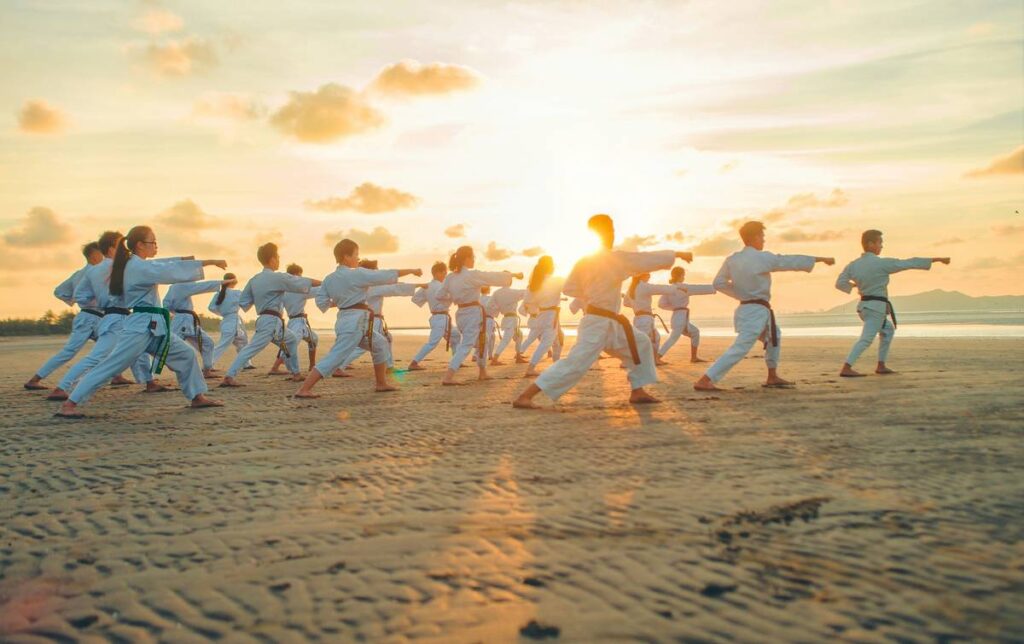
You feel vulnerable. Walking to your car at night, navigating a crowded subway, even scrolling news about rising urban crime—it triggers that low hum of anxiety. Most people buy pepper spray or download safety apps and call it good. But gear fails. Apps glitch. Real confidence? It’s built in the body, not the pocket. That’s where martial arts and self defense step in—not as flashy combat sports, but as embodied resilience.
Why “Learn to Fight” Advice Usually Backfires
Most self-defense courses teach choreographed moves against compliant partners. Real violence isn’t cooperative. It’s chaotic, close-range, adrenalized. You freeze—or worse, you overcommit and get countered. And online tutorials? They skip the most critical component: pressure testing under stress. Without it, your “skills” vanish the moment someone grabs your wrist in anger.
Here’s the reality: if your training doesn’t simulate the tunnel vision, shaking hands, and screaming heart of an actual threat—you’re rehearsing theater, not defense.
Building Unshakeable Self-Defense Through Martial Arts
Forget belts and tournaments. Real-world protection comes from systems that prioritize de-escalation, situational awareness, and gross motor skills that work when you’re terrified. Start here:
Awareness Beats Reaction Every Time
80% of self-defense is avoiding danger before it starts. Scan exits. Notice hands (are they hidden?). Trust your gut—if a space feels off, leave. This isn’t paranoia; it’s pattern recognition sharpened by training.
Train Like Chaos Is Guaranteed
Your drills must include yelling, moving on uneven ground, and defending while off-balance. Krav Maga, Brazilian Jiu-Jitsu (BJJ), and Filipino Kali all offer this—but only if taught with resistance, not just demonstration.

| Discipline | Best For | Realistic Drills? | Time to Functional Skill |
|---|---|---|---|
| Krav Maga | Aggressive neutralization, weapon defenses | Yes—stress-tested scenarios | 3–6 months |
| Brazilian Jiu-Jitsu | Ground control, escaping holds | Yes—live sparring standard | 6–12 months |
| Traditional Karate | Striking precision, discipline | Rarely—unless dojo emphasizes kumite | 12+ months |
| Filipino Kali/Eskrima | Weapon-based flow, adaptability | Often—stick/knife patterns under pressure | 4–8 months |
Mindset Is Your Hidden Weapon
Confidence deters predators more than muscle. Martial arts forge this through repeated exposure to controlled stress. You learn: I can handle this. That posture alone shifts how threats perceive you.

The Industry Secret No One Talks About
Here’s what gym owners won’t tell you: most students quit within 90 days because instructors prioritize form over function. The fix? Join a school that runs quarterly “reality checks”—simulated muggings with padded attackers, verbal boundary drills, even bystander intervention practice. If they don’t offer that? Walk away. Real martial arts and self defense isn’t about looking tough. It’s about returning home safe—every single time.
Frequently Asked Questions
Can I learn effective self-defense without fighting experience?
Absolutely. Programs like Krav Maga are built for beginners. Focus on gross motor skills—elbow strikes, palm heels, breaking grips—these work regardless of prior training.
How often should I train to stay prepared?
Twice weekly for 3–6 months builds baseline competence. After that, monthly maintenance sessions prevent skill decay. Consistency beats intensity.
Are online martial arts courses worth it for self-defense?
Only as theory supplements. You cannot develop timing, distance, or adrenal control through a screen. Use videos for mindset and concepts—but get hands-on ASAP.