You feel it—the unease when walking alone at night, the hesitation before saying no to a pushy stranger, the nagging doubt: “Could I actually protect myself?” Most self-defense advice online is recycled fluff—“be aware,” “carry pepper spray,” “scream loud.” But real threats don’t wait for perfect conditions. And generic fitness routines won’t teach you how to de-escalate, strike effectively, or recover from being tackled. The solution isn’t gadgets or gimmicks. It’s structured martial arts and self defense training that builds reflexes, confidence, and situational mastery simultaneously.
Why Most Self-Defense Methods Fail When It Matters
Think about it: YouTube tutorials skip the chaos of adrenaline. Gym workouts build muscle—not threat assessment. Even well-intentioned weekend workshops vanish from memory after three months of inactivity. Real violence is messy, fast, and emotionally charged. Without ingrained motor patterns—built through repetition under stress—you freeze. And freezing gets you hurt.
Here’s the reality: self-defense isn’t about looking tough. It’s about surviving unharmed. That requires neural pathways forged over time, not just theoretical knowledge.
Building Effective Martial Arts and Self Defense Training
Forget “one-size-fits-all” curricula. Your training must match your lifestyle, body type, and likely threat scenarios. Urban professionals face different risks than hikers or college students. Start with these three pillars:
Scenario-Based Drills Over Choreographed Forms
Practicing katas in a mirror looks impressive—but does it stop a grab from behind? Focus on realistic simulations: wallet snatches, cornering in parking lots, verbal boundary violations. Train responses until they’re automatic.
Stress Inoculation Through Controlled Chaos
Your heart rate spikes during conflict. If you’ve only trained while calm, your fine motor skills vanish. Integrate breath control, yelling (“No!”), and movement drills under fatigue. Add distractions—noise, low light, multiple attackers (controlled). This builds performance under pressure.
Legal & Ethical Boundaries as Core Curriculum
Self-defense stops where assault begins. Good programs teach proportionality, de-escalation scripts, and local use-of-force laws. Knowing when not to fight is as vital as knowing how.
| Training Approach | Avg. Monthly Cost | Real-World Applicability | Time to Functional Readiness |
|---|---|---|---|
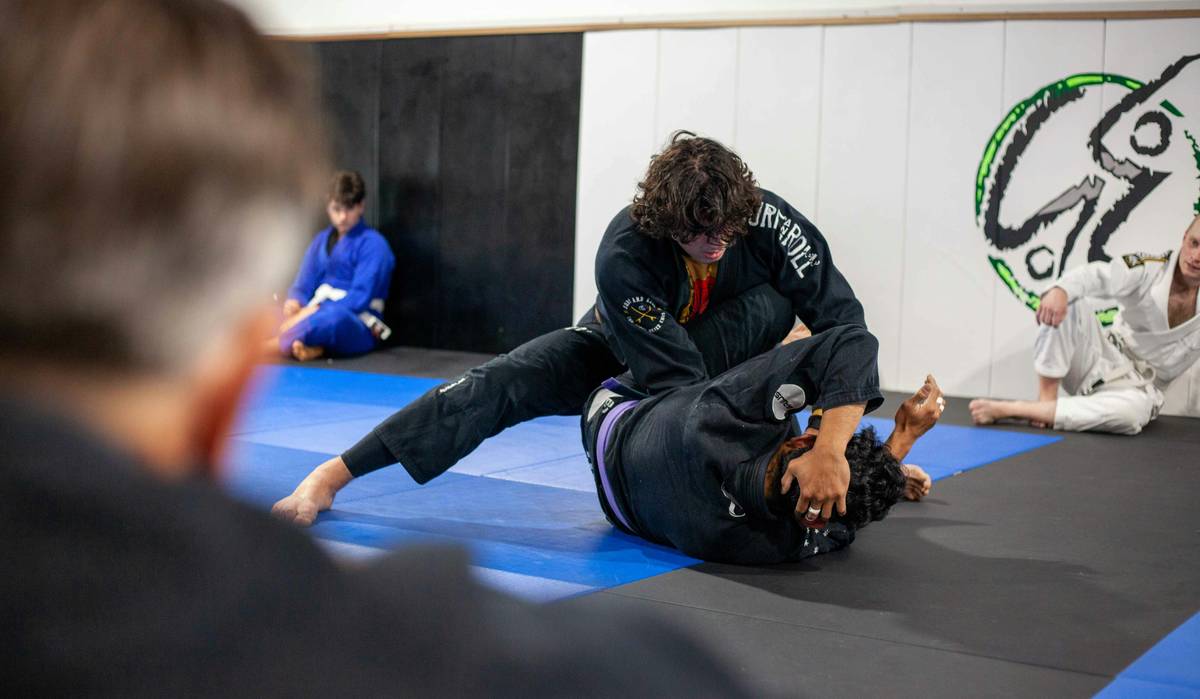
| Traditional Dojo (e.g., Karate, Taekwondo) | $80–$150 | Moderate (focus on forms, discipline) | 12–18 months |
| Reality-Based Systems (e.g., Krav Maga, Combatives) | $100–$200 | High (scenario-driven, weapon defenses) | 3–6 months |
| Hybrid Online + Live Coaching | $30–$70 | Variable (depends on curriculum quality) | 6–9 months |
| DIY YouTube + Gym | $0–$40 | Low (no feedback, no stress testing) | Never (skill gaps persist) |
The Industry Secret: Your Greatest Weapon Is Predictability
Most martial arts schools won’t tell you this: predators avoid targets who move with purpose, scan environments, and carry themselves like they’ve handled conflict before. It’s not about size or speed—it’s about nonverbal deterrence. Through consistent training, your posture shifts. Your gaze becomes steady. Your walk loses hesitation. That subtle shift makes you “hard prey.” Criminals target uncertainty. Remove that signal, and you’ve already won half the battle—before throwing a single punch.
But—and this is critical—deterrence only works if your physical skills back it up. Bluffing without competence is dangerous. True confidence comes from knowing you can execute under duress.
Frequently Asked Questions
Can you learn effective self-defense through online martial arts courses?
Online modules help with theory and solo drills—but lack live feedback and controlled aggression. Pair them with occasional in-person intensives for muscle memory under stress.
Which martial art is best for real-world self-defense?
Krav Maga, Brazilian Jiu-Jitsu, and Filipino Kali prioritize efficiency, weapon defenses, and ground survival. Avoid styles focused solely on sport or aesthetics.
How often should you train to maintain self-defense skills?
Minimum twice weekly for the first 6 months. After that, one session plus daily micro-drills (e.g., escape techniques during commercial breaks) keeps reflexes sharp.