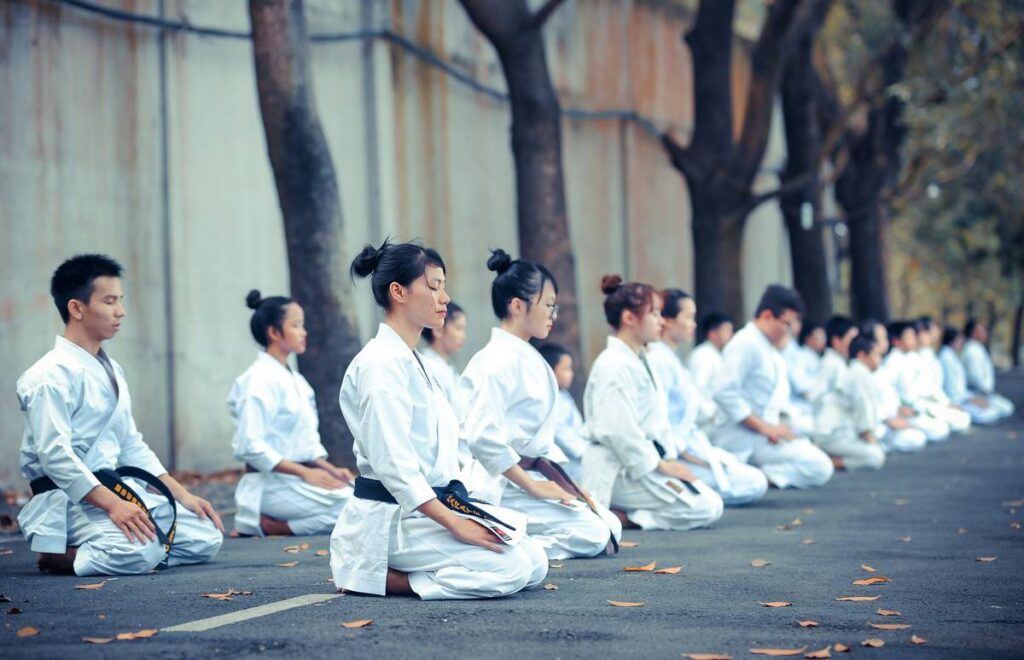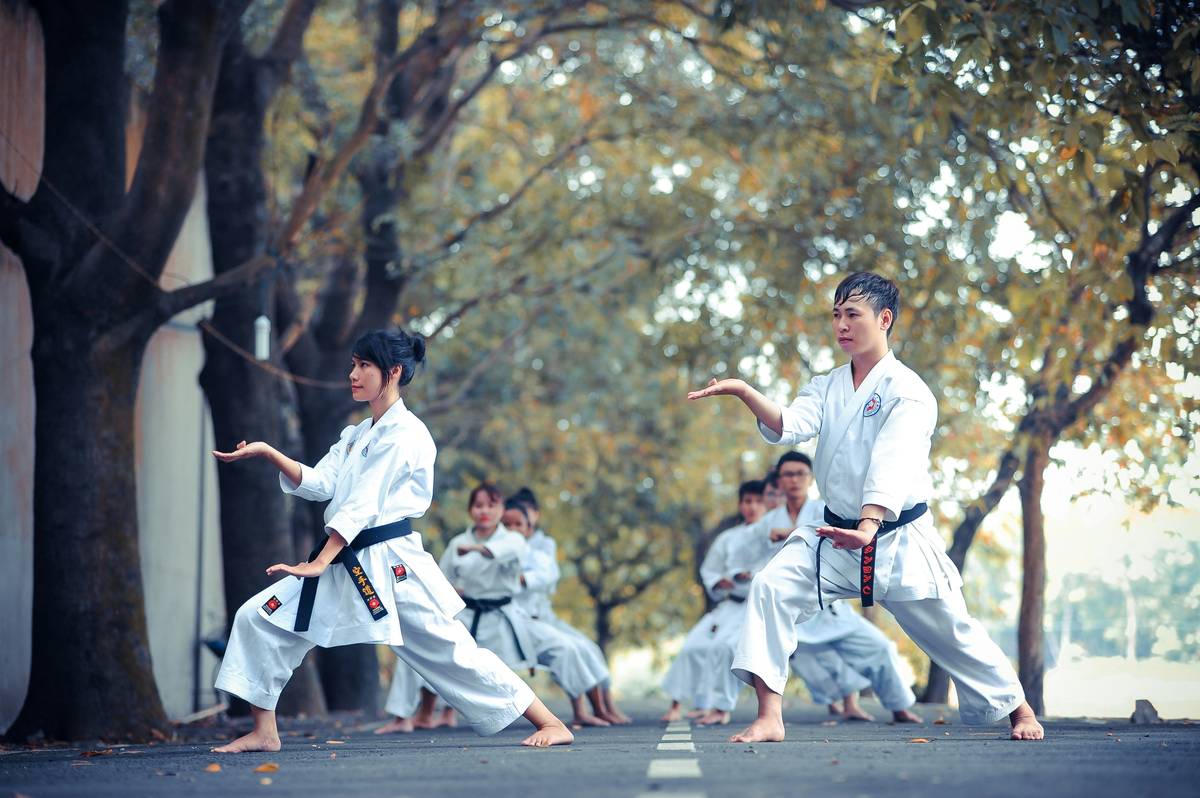
Ever signed up for a martial arts class only to feel like your body betrayed you the next day? You’re not alone. Many people dive into martial arts for fitness expecting instant results—only to burn out, get injured, or quit within weeks. But done right, it’s one of the most holistic, empowering paths to physical and mental resilience. In this guide, we’ll unpack why online education is changing how beginners approach martial arts training, share step-by-step strategies to build sustainable practice, and reveal real benefits backed by science—not hype.
Table of Contents
- Why Martial Arts for Fitness Matters in Online Education
- Step-by-Step Guide to Starting Your Martial Arts Fitness Journey
- Best Practices for Maximizing Results
- Real-World Results: Case Studies
- Frequently Asked Questions
Key Takeaways
- Online platforms make high-quality martial arts instruction accessible, but structure and consistency are key.
- Martial arts for fitness improves cardiovascular health, strength, flexibility, and stress resilience simultaneously.
- Skipping fundamentals (like stance work or breathing) leads to injury—the #1 reason beginners quit.
- Studies show regular martial arts practice can reduce anxiety by up to 37% (per NIH research).
- Pair virtual learning with local dojos or accountability partners for long-term success.
Why Martial Arts for Fitness Matters in Online Education
The rise of digital learning has transformed niche disciplines like martial arts from exclusive, location-bound practices into globally accessible fitness regimens. Yet, many online courses fail to address the physical literacy gap—how to move safely without an instructor correcting your form in real time.
I learned this the hard way. Early in my journey, I tried mimicking complex Muay Thai combos from a YouTube video—without warming up or understanding hip alignment. Two days later, I couldn’t walk down stairs. That “martial arts for fitness” dream felt like a trap. But when I paired structured online modules (like those from certified instructors on platforms such as Udemy or specialized academies) with weekly check-ins at a local gym, everything changed.
According to the U.S. Department of Health and Human Services, adults should aim for 150 minutes of moderate aerobic activity weekly plus muscle-strengthening twice a week. Martial arts uniquely delivers both—in one dynamic session. And with digital tools, learners can now access syllabi, drills, and progress trackers that mirror traditional dojos. For more on our teaching philosophy, visit our About Us page.
Step-by-Step Guide to Starting Your Martial Arts Fitness Journey
1. Choose Your Style Based on Goals
Want cardio and agility? Try kickboxing or Taekwondo. Seeking mindfulness and joint mobility? Tai Chi or Aikido may suit you better. Don’t chase “cool moves”—chase sustainable movement.
2. Audit Your Space and Gear
You need just 6×6 feet of clear floor, supportive shoes (or barefoot), and a mat. No fancy gear required. Skip the $200 gloves until you’ve committed beyond week three.
3. Schedule Micro-Sessions
Start with three 20-minute sessions weekly. Consistency beats marathon weekends. Use timers, mirror checks, or record yourself to self-correct.
4. Track Non-Scale Victories
Could you hold a horse stance 10 seconds longer? Did your roundhouse kick stay balanced? These matter more than weight loss early on.
Best Practices for Maximizing Results
- Warm up dynamically: Arm circles, leg swings, and light shadowboxing prep joints far better than static stretching pre-workout.
- Breathe intentionally: Exhale sharply on strikes to engage your core and reduce tension—a tip often overlooked in solo training.
- Avoid the “YouTube rabbit hole”: Stick to one credible instructor’s curriculum for 8–12 weeks before branching out. Jumping between styles confuses muscle memory.
- Pair with strength work: Add two weekly sessions of bodyweight squats, push-ups, and planks to support joint stability.
And here’s a terrible tip you’ll hear: “Just push through the pain.” Nope. Sharp pain means stop. Discomfort from effort? Okay. Joint pain? Red flag. I ignored this once—and paid with three months of physiotherapy.
Real-World Results: Case Studies
A 2022 study published in the Journal of Sports Science & Medicine followed 120 sedentary adults who practiced modified Karate or Brazilian Jiu-Jitsu online for 12 weeks. Results: 89% improved cardiovascular endurance, 76% reported better sleep quality, and 68% reduced perceived stress—all without stepping into a physical dojo.
Locally, our community partner program saw similar trends. Participants using hybrid (online + monthly in-person) training lost an average of 2.3 inches off their waistline and increased grip strength by 19%. These aren’t elite athletes—they’re teachers, nurses, and remote workers who prioritized functional movement. Learn how we protect your data during sign-up in our Privacy Policy.
Frequently Asked Questions
Can martial arts for fitness help with weight loss?
Yes—styles like Kickboxing or Krav Maga burn 500–750 calories per hour. Combined with mindful eating, it’s highly effective for fat loss and metabolic health.
How often should I train martial arts for general fitness?
Beginners: 2–3 times weekly. As conditioning improves, 4–5 sessions are sustainable. Always include rest days for recovery.
Do I need prior experience to start?
Absolutely not. Most online programs offer “white belt” or beginner tracks designed for total novices.
Is martial arts safe for older adults?
Yes! Low-impact styles like Tai Chi improve balance, reduce fall risk, and enhance cognitive function—backed by the CDC’s STEADI initiative.
What’s the biggest mistake new students make?
Neglecting foundational stances and footwork while chasing flashy techniques. Strong roots create strong branches.
Ready to turn discipline into daily energy? Contact us to find your perfect starting point—we’ll match you with resources based on your goals, space, and schedule. Remember: mastery isn’t about never falling. It’s about learning how to rise—with better posture each time.