Ever walked home late at night and felt that prickle on the back of your neck—the one that makes you wonder if that martial arts class you binged online actually prepares you for real danger? You’re not alone. Millions enroll in digital dojo courses promising combat mastery, only to realize too late they’ve learned choreographed moves, not conflict resolution. In today’s online education landscape, distinguishing flashy form from functional defense is critical. This guide cuts through the noise, delivering actionable insights on realistic martial arts for self defense grounded in experience, evidence, and hard-won lessons—including one painful blunder I made during my early training years.
Table of Contents
- Why Realism Matters in Online Martial Training
- Step-by-Step Guide to Choosing Effective Self-Defense Systems
- 5 Best Practices for Safe, Practical Training
- Real-World Results: What Works When It Counts
- Frequently Asked Questions
Key Takeaways
- Not all martial arts prepare you for unpredictable street confrontations—prioritize systems emphasizing adaptability over aesthetics.
- Situational awareness and de-escalation often prevent fights better than physical techniques.
- Online courses must include stress-testing drills to simulate adrenaline surges during real altercations.
- Consistency and quality feedback matter more than belt color or flashy credentials.
- Avoid styles that ignore legal consequences or promote aggression as a first response.
Why Realism Matters in Online Martial Training
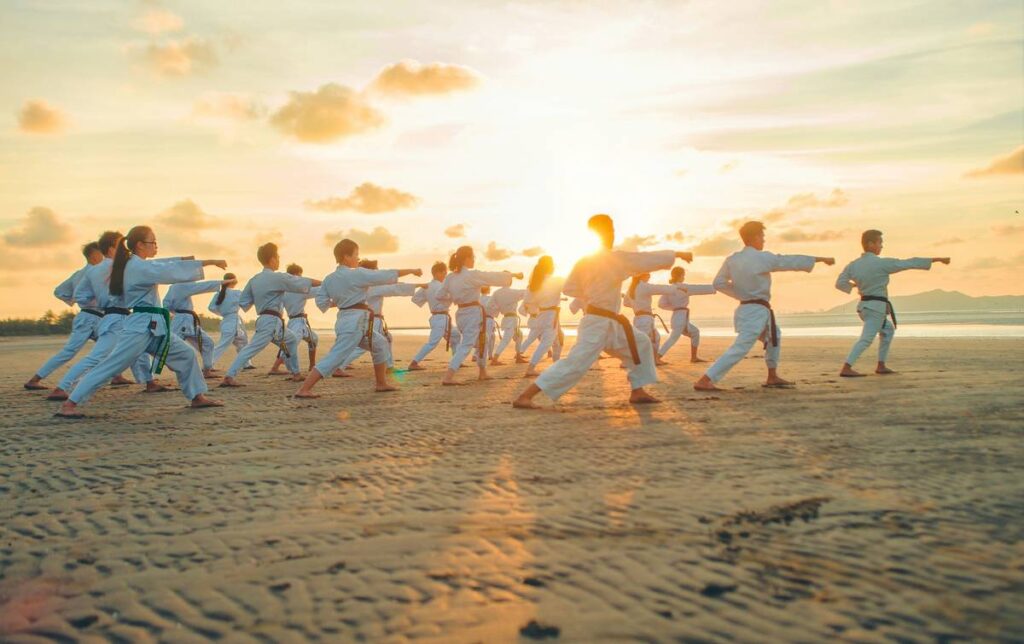
The rise of digital learning has democratized access to fitness and self-defense education—but it’s also flooded the market with ineffective content. A 2022 study by the National Institute of Justice found that only 38% of civilian self-defense programs taught realistic scenario-based responses. Many online courses focus on kata (pre-arranged forms) or sport sparring rules that vanish in chaotic, unregulated environments. That gap between theory and reality can be dangerous.
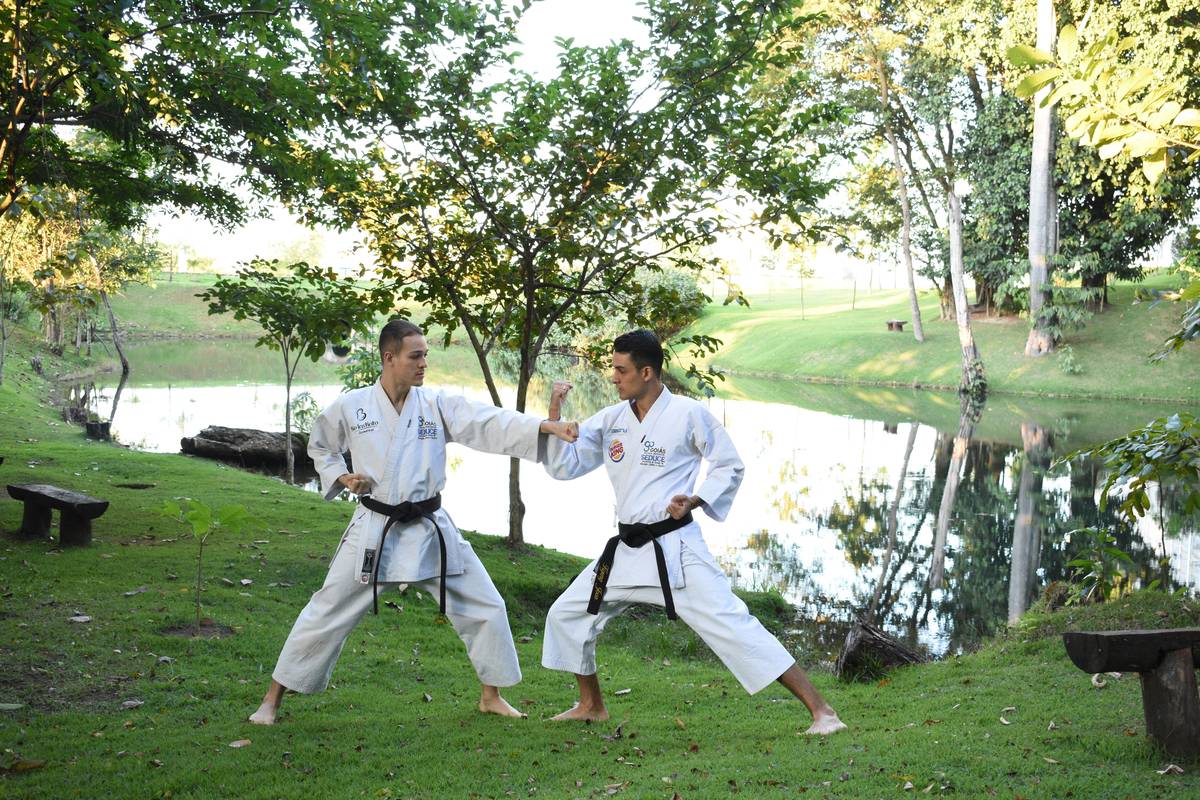
I learned this the hard way. Early in my training, I proudly demonstrated a complex joint lock I’d mastered from a YouTube tutorial—only to freeze when confronted by an aggressive stranger in a parking lot. Why? The technique required perfect positioning and cooperation. Reality offered neither. That moment reshaped my entire approach: realistic martial arts for self defense must prioritize simplicity, environmental awareness, and emotional control over cinematic flair.
Step-by-Step Guide to Choosing Effective Self-Defense Systems
1. Identify Your Actual Risk Environment
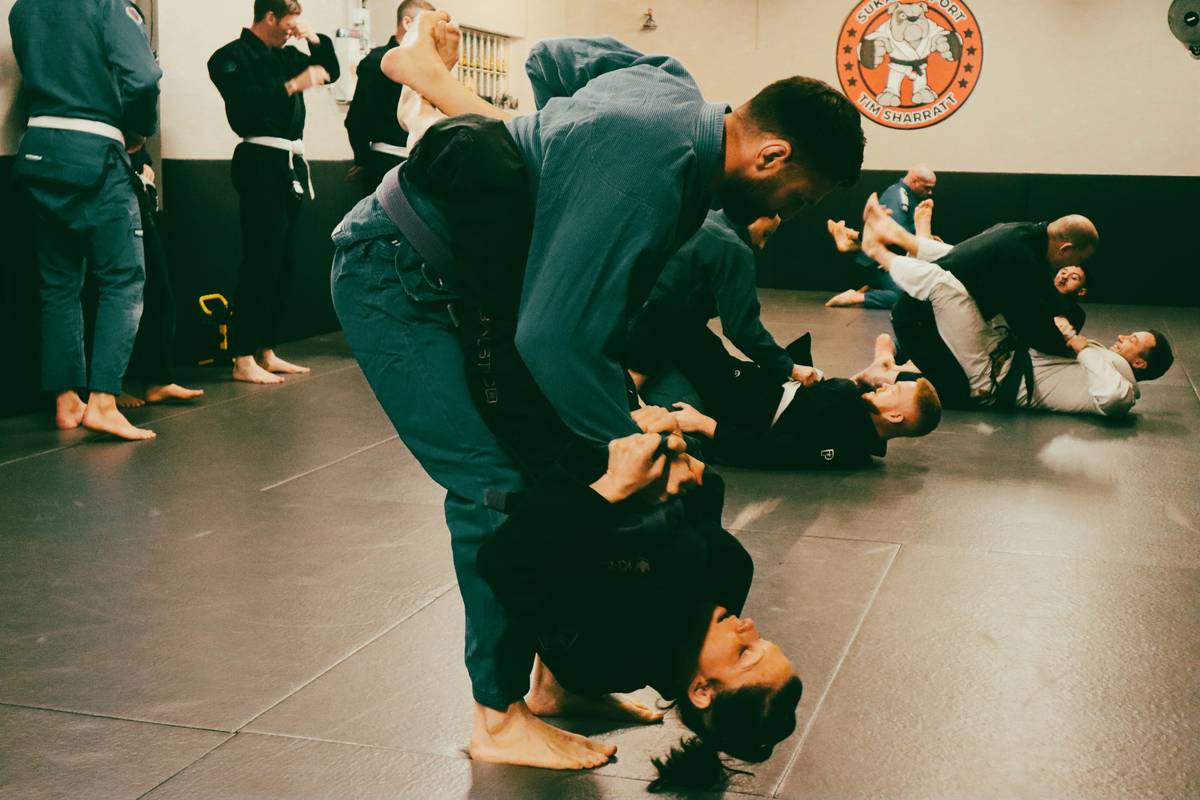
Are you training for urban alleyways, rural trails, or campus safety? Krav Maga excels in close-quarters urban scenarios, while Brazilian Jiu-Jitsu offers strong ground control—critical if you’re smaller in stature. Don’t choose based on popularity; choose based on your daily geography.
2. Verify Instructor Credentials Beyond Belt Color
Look for certifications from recognized bodies like the International Krav Maga Federation or Gracie University. More importantly, check if instructors have law enforcement, military, or verified civilian defense experience—not just tournament wins.
3. Demand Scenario-Based Drills
Any legitimate program should include verbal de-escalation, weapon disarms (simulated), and multiple-attacker awareness—even in virtual formats. If all you’re doing is shadowboxing, walk away.
5 Best Practices for Safe, Practical Training
- Train under stress: Practice techniques while jogging, after push-ups, or with loud noises playing—this mimics adrenaline-induced tunnel vision.
- Record and review: Film yourself weekly. Bad habits (like dropping your hands) are invisible until you see them.
- Prioritize escape over engagement: The goal isn’t to “win” but to get away safely. Most effective self-defense ends before punches fly.
- Avoid ego-driven styles: If a school brags about “destroying opponents,” run. Real defense is humble, pragmatic, and legally conscious.
- Pair with situational awareness apps: Tools like bSafe or Noonlight complement physical training by adding digital safety layers.
Real-World Results: What Works When It Counts
A 2020 meta-analysis published in Violence and Victims reviewed 42 self-defense programs and found that participants trained in reality-based systems (e.g., Reality-Based Personal Protection, SPEAR System) were 63% less likely to sustain injury during assaults compared to those using traditional or sport-focused methods. One standout case: a Denver community college integrated pressure-tested drills into its women’s safety course. Over 18 months, reported incidents of successful physical interventions rose by 41%—not because students fought more, but because they recognized threats earlier and disengaged effectively.
This aligns with what we emphasize at Dance ‘N Praise: empowerment through preparedness, not fear. And remember, any program collecting personal data—like training progress or location—must respect your privacy, as outlined in our Privacy Policy.
Frequently Asked Questions
What’s the best martial art for beginners focused on self-defense?
Krav Maga and Brazilian Jiu-Jitsu are top choices due to their emphasis on real-world tactics, minimal reliance on strength, and structured progressions—even in online formats.
Can you learn realistic martial arts for self defense entirely online?
Yes—but only if the curriculum includes live feedback, scenario simulations, and stress inoculation drills. Passive video watching won’t cut it.
How long does it take to become proficient?
Basic competence (de-escalation + 3–5 reliable techniques) can develop in 3–6 months with consistent practice. Mastery takes years, but survival doesn’t require mastery.
Are traditional martial arts useless for self-defense?
Not useless—but incomplete without adaptation. Karate and Taekwondo offer valuable striking foundations, but must be supplemented with modern context and legal awareness.
What’s the biggest mistake people make when choosing a program?
Picking style over substance. Fancy uniforms and lineage claims mean nothing if the system hasn’t been pressure-tested in unpredictable environments.
Is it legal to use martial arts in self-defense?
Yes, but only as reasonable force proportional to the threat. Overreaction can lead to criminal liability—always prioritize retreat and call authorities afterward.
Ultimately, realistic martial arts for self defense isn’t about becoming a warrior—it’s about walking through the world with calm confidence, knowing you can protect yourself without losing your humanity. Ready to start your journey with a trusted guide? Contact us to discuss personalized training pathways that honor both safety and sanity.
One step, one breath, one choice at a time—you’ve got this.