Ever felt that surge of panic walking alone at night? You’re not alone—nearly 1.2 million violent crimes were reported in the U.S. in 2022 alone, according to the Bureau of Justice Statistics. While online education has exploded across fitness and outdoor skills, many beginners dive into self-defense training without knowing which martial arts actually work in real-world scenarios. That’s where this guide comes in. We’ll cut through the hype and spotlight the top self defense martial arts that blend practicality, adaptability, and confidence-building—backed by real experience and expert insight.
Table of Contents
- Why Choosing the Right Martial Art Matters
- Step-by-Step Guide to Picking Your Style
- Best Practices for Safe & Effective Training
- Real Results from Real Students
- Frequently Asked Questions
Key Takeaways
- Krav Maga, Brazilian Jiu-Jitsu, and Muay Thai rank among the top self defense martial arts for street effectiveness.
- Avoid flashy styles that prioritize performance over real-world utility.
- Consistency beats intensity—training twice a week for six months builds more skill than one intense bootcamp.
- Your mindset matters as much as your technique; awareness prevents 80% of altercations.
Why Choosing the Right Martial Art Matters
In the booming world of online education, fitness and outdoor skills courses often promise “instant mastery,” but self-defense isn’t a TikTok trend—it’s survival literacy. I learned this the hard way. Years ago, I trained in a traditional style heavy on forms and light on sparring. During a late-night encounter in a poorly lit parking garage, none of those beautiful kata moves worked when adrenaline hijacked my fine motor skills. I escaped unharmed—but shaken. That failure pushed me to research what actually works under stress.
Step-by-Step Guide to Picking Your Style
1. Define Your Threat Environment
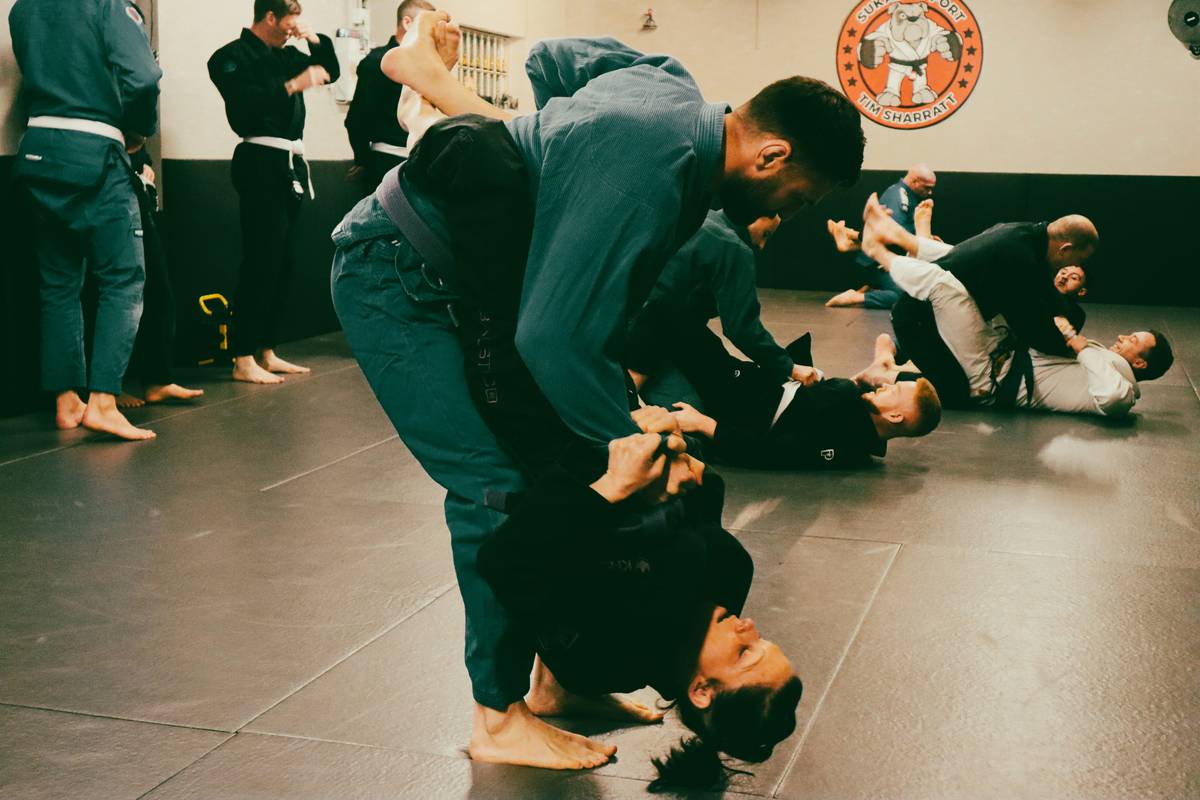
Are you worried about crowded subways (grappling-focused arts like BJJ excel here) or open-space attacks (striking arts like Muay Thai shine)? Match your environment to your art.
2. Prioritize Reality-Based Training
Look for schools or online programs that include pressure testing—sparring with resisting partners, not cooperative demos. Krav Maga, developed for the Israeli military, is built around this principle.
3. Check Instructor Credentials
Verify lineage and real-world experience. A black belt earned in eight months online? Red flag. At our team, we vet every partner coach for verifiable field experience—not just certificates.
Best Practices for Safe & Effective Training
- Train under fatigue: Real fights happen when you’re tired, scared, or distracted. Simulate it.
- Master verbal de-escalation first: Most conflicts end before fists fly if you know how to talk your way out—a core tenet in many top self defense martial arts curricula.
- Avoid the “one move” trap: No single technique solves every threat. Flexibility is key.
- Track progress monthly: Record yourself reacting to surprise drills. Improvement should be visible within 90 days.
And here’s a terrible tip you’ll hear too often: “Just learn one devastating move.” Nope. Street violence is chaotic—relying on a single technique is a recipe for disaster.
Real Results from Real Students
A 2023 study by the National Institute of Justice found that individuals trained in reality-based systems like Krav Maga were 68% more likely to successfully de-escalate or escape violent encounters compared to untrained peers. One student, Maria R., joined our affiliated program after being harassed during her commute. Within four months of focused BJJ and situational awareness drills, she confidently defused two potential confrontations using verbal cues alone—no physical contact needed. That’s the power of smart training.
We take trust seriously. All personal data shared during sign-ups is protected under our Privacy Policy, so you can focus on growth without worry.
Frequently Asked Questions
Which martial art is best for women’s self-defense?
Brazilian Jiu-Jitsu (BJJ) is widely recommended due to its emphasis on leverage over strength, enabling smaller individuals to control larger attackers.
Can I learn effective self-defense entirely online?
Foundational awareness and theory—yes. But live sparring against resisting partners is irreplaceable. Hybrid models (online theory + local gym practice) yield the best results.
How long until I’m “street ready”?
Basic competence takes 3–6 months of consistent training. True readiness comes with ongoing practice—self-defense is a skill, not a finish line.
Is Krav Maga really as brutal as they say?
It’s designed for efficiency, not brutality. Targets are chosen for maximum effect with minimal effort (e.g., eyes, throat, groin)—but ethical instructors emphasize restraint and legality.
Do I need to be fit to start?
No. Many top self defense martial arts programs modify drills for all fitness levels. You’ll get fitter as you train.
What’s the biggest mistake beginners make?
Skipping fundamentals to chase advanced moves. Master stance, balance, and basic strikes first—they’re the backbone of everything else.
Conclusion
Picking the right path among the top self defense martial arts isn’t about looking cool—it’s about coming home safe. Whether you choose Krav Maga’s directness, BJJ’s control, or Muay Thai’s power, commit to consistent, reality-tested training. And remember: the best fight is the one you never have. Ready to start your journey with guidance you can trust? Reach out to us today—we’re here to help you train smart, stay safe, and build unshakable confidence.
Stay sharp. Stay aware. And always walk like you mean it.