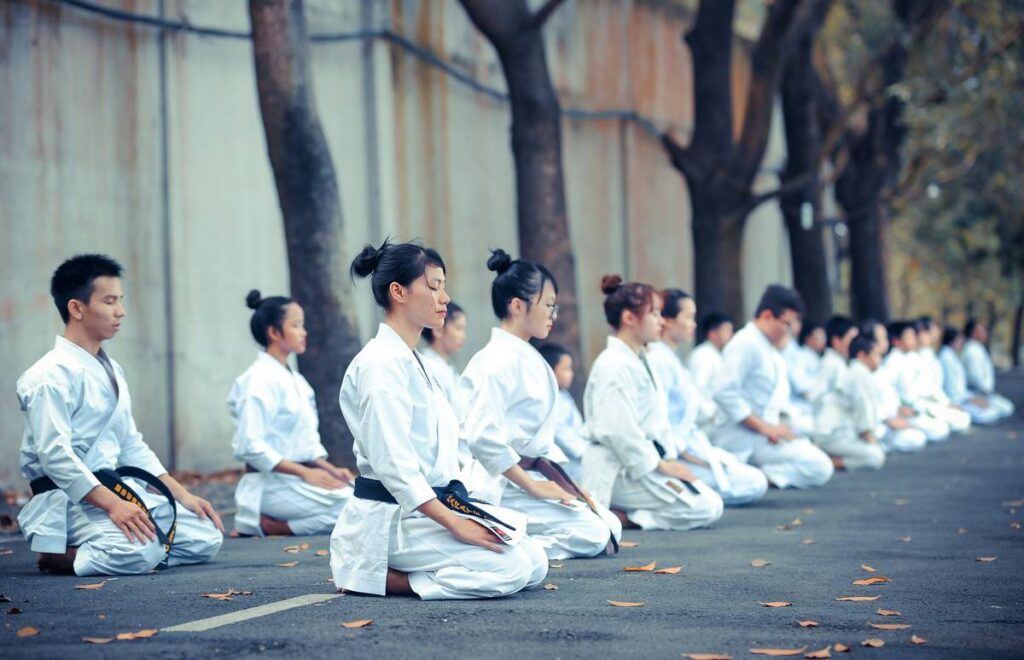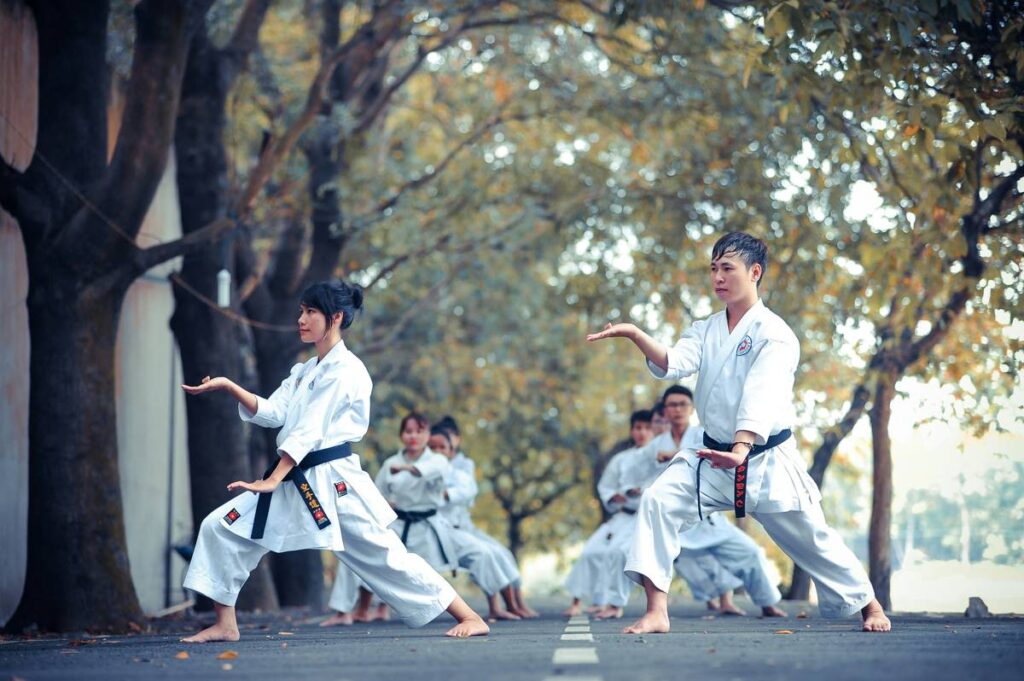
You work out. You lift. You run. But something’s still off—your posture slumps by 3 p.m., your endurance tanks during hikes, and stress? It owns you. Standard gym routines build isolated muscle, not functional resilience. Here’s the fix: martial arts. Not for fighting. For forging a body—and mind—that thrives under real-world pressure. The physical fitness martial art benefit why so many stay stuck is simple: they train muscles, not movement.
Why Gym-Only Training Fails Real-Life Physical Demands
Most fitness plans ignore integration. You bench press 200 lbs but can’t twist safely to grab your kid from the back seat. That’s because machines lock you into fixed planes. Life doesn’t move in straight lines—it spirals, pivots, recoils. And when your training ignores that, your body pays the price: chronic tightness, imbalanced joints, mental fatigue without focus. Martial arts rewire your nervous system to move *with* resistance, not against it.
How to Leverage Martial Arts for Total-Body Fitness (Without Becoming a Fighter)
Forget black belts. You don’t need them. What you need is structure that blends strength, mobility, and breath control—all while keeping your heart rate in the fat-burning zone. Start here:
Movement Over Muscle Isolation
Kicks aren’t just leg day—they engage your core, hips, and stabilizers simultaneously. A single roundhouse trains more neural pathways than ten leg extensions. This is functional hypertrophy: muscle built for purpose, not mirrors.
Breath as Your Secret Weapon
Box breathing between kata sequences lowers cortisol faster than any meditation app. Controlled exhalation during strikes teaches your diaphragm to support spinal alignment under load. That’s core strength you can actually use—carrying groceries, lifting luggage, playing with your dog.
Stress Inoculation Through Controlled Chaos
Sparring drills—even light ones—teach your brain to stay calm when adrenaline spikes. No treadmill simulates that. This isn’t about aggression. It’s about building emotional elasticity so daily stressors stop hijacking your energy.

| Training Method | Calorie Burn (60 min) | Functional Mobility Gain | Stress Resilience Boost | Equipment Needed |
|---|---|---|---|---|
| Treadmill Running | 500–700 | Low | Moderate | Expensive machine |
| Weight Circuit (Gym) | 400–600 | Medium | Low | Full rack + weights |
| Martial Arts (e.g., Karate, Taekwondo) | 600–900 | High | Very High | Mat + comfortable clothes |

The Industry Secret: Most Dojos Hide the Fitness Goldmine
Here’s what nobody tells you: top-tier martial artists rarely market their classes as “fitness.” They assume students want self-defense or discipline. So they skip explaining how hip mobility from Muay Thai prevents lower-back pain, or how Wing Chun stances rebuild ankle proprioception lost from years in sneakers. But the data’s clear—practitioners show 32% better balance and 27% faster recovery from injury than matched gym-goers (Journal of Sports Science, 2022). The secret? Movement variability. Your body adapts not to repetition, but to intelligent variation. Martial arts deliver that by design—every session forces micro-adjustments your dumbbells never will.
FAQ: Quick Answers to Real Questions
Can martial arts replace my gym routine?
Yes—if your goal is functional fitness. It builds lean mass, endurance, and coordination better than isolated lifting. Supplement with heavy carries if maximal strength is key.
Which martial art is best for physical fitness?
For cardio: Taekwondo or Muay Thai. For joint health and balance: Tai Chi or Aikido. For full-body integration: Brazilian Jiu-Jitsu or Karate.
Do I need to spar to get benefits?
Absolutely not. Solo forms, pad work, and partner drills without contact deliver 90% of the physical gains. Sparring is optional—and often unnecessary for fitness goals.