You trained for months. Maybe years. Drilled kata, sparred weekly, earned your belt. Then someone jumped you in a parking lot—and none of it translated. Why? Because most “effective martial arts for self defense” fail under real-world pressure. Adrenaline floods your system. Your fine motor skills vanish. Rules disappear. The truth? Not all styles prepare you for chaos.
Why Most Self-Defense Systems Collapse Under Pressure
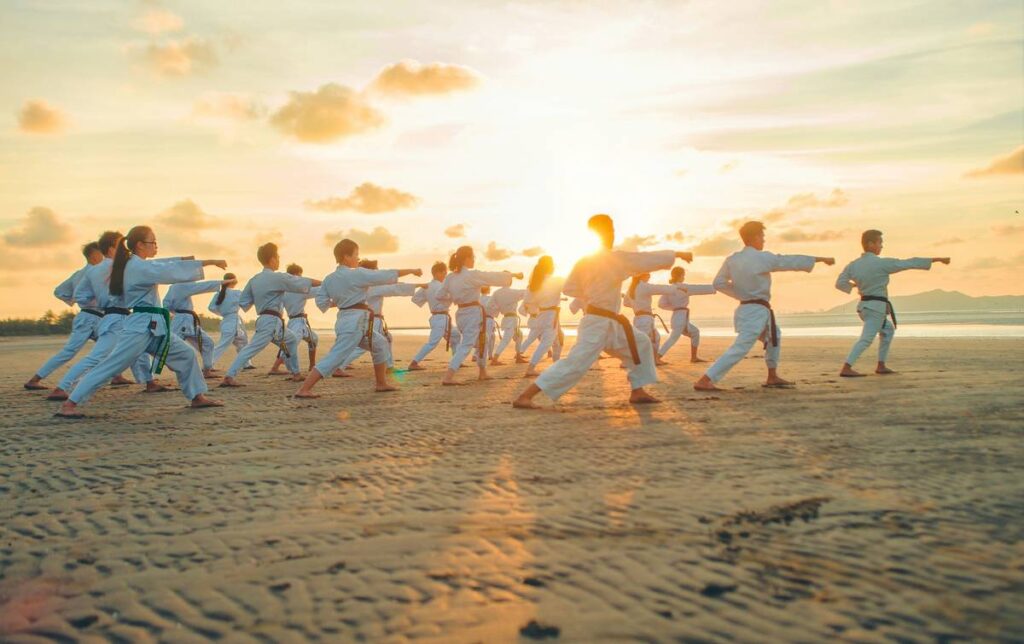
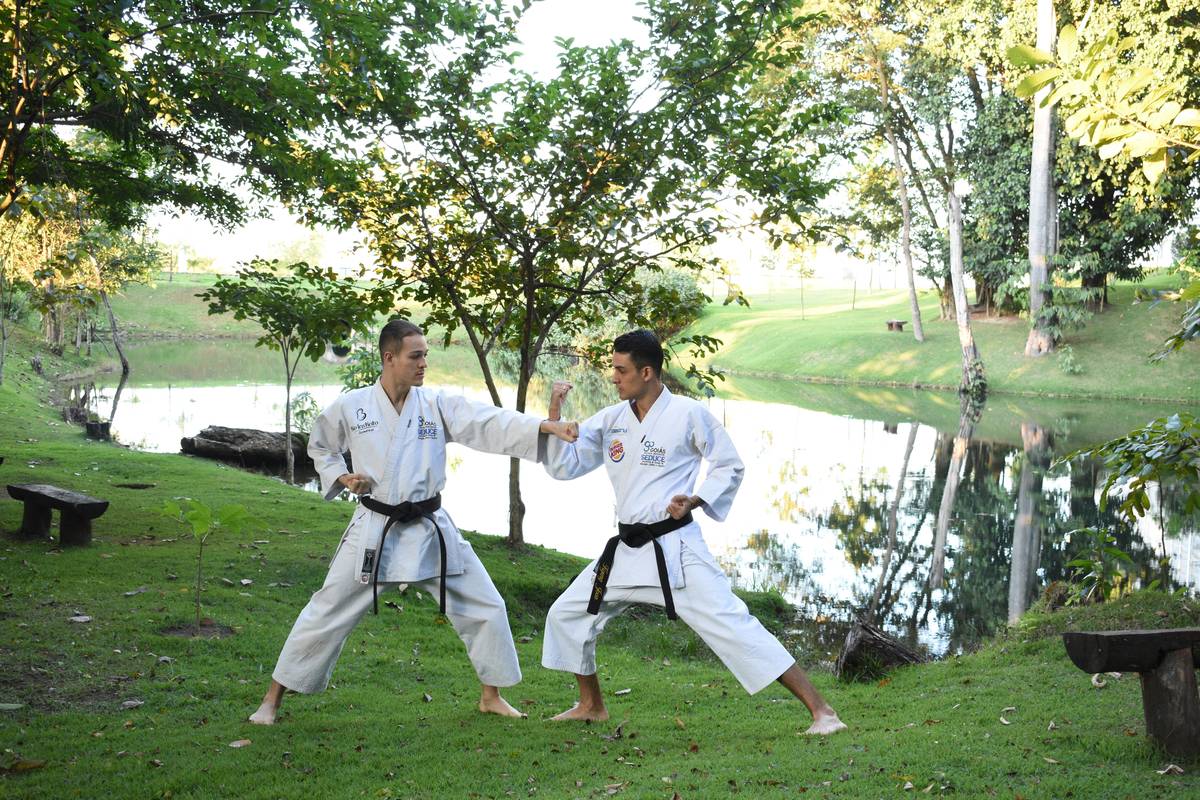
Traditional dojos often focus on form over function—perfect stances, ceremonial bows, rigid sequences. Great for discipline. Useless when you’re backed against a wall by two aggressors texting their friends to join in. Street violence isn’t a ring bout with judges. It’s loud, messy, and unfair.
And here’s the brutal part: many popular martial arts were never designed for modern urban threats. Think about it—how often does a sword-drawing technique stop a knife-wielding teen? Never.
Effective Martial Arts for Self Defense: A Practical Breakdown
Forget flashy kicks or esoteric pressure points. Real-world defense hinges on three pillars: simplicity under stress, adaptability to multiple attackers, and escape—not victory. Below is how leading systems stack up:
| Martial Art | Real-World Applicability | Time to Basic Proficiency | Key Strengths | Common Pitfalls |
|---|---|---|---|---|
| Krav Maga | Very High | 3–6 months | Targets vital zones; uses everyday objects; trains under fatigue | Poor sparring culture in some schools leads to overconfidence |
| Brazilian Jiu-Jitsu (BJJ) | Moderate | 12–24 months | Neutralizes stronger opponents; dominant ground control | Ground fighting = dangerous on concrete with multiple attackers |
| Muay Thai | High | 6–12 months | Devastating clinch work; builds iron conditioning | Limited defense against weapons or grabs from behind |
| Traditional Karate | Low–Moderate | 2+ years | Strong stances; linear striking power | Often lacks live resistance training; unrealistic attack scenarios |

Start With Scenario-Based Drills—Not Forms
Ditch the kata. Train in dim lighting. Simulate being shoved while holding groceries. Defend against a choke while seated in a car. If your school doesn’t run adrenalized drills monthly, you’re rehearsing theater—not defense.
Prioritize De-escalation + Exit Strategies
The best fight is the one you avoid. True self-defense includes verbal boundary setting, reading pre-attack cues (clenched jaw, target glancing), and creating distance. Many elite instructors now integrate conflict communication into their curriculum—because running away is winning.

The Industry Secret: The 80/20 Rule of Survival
Here’s what top-tier tactical coaches won’t advertise: 80% of your survival depends on awareness and positioning—not technique. Stand near exits. Avoid blind corners. Keep your hands free. One veteran law enforcement trainer told me: “I’ve seen black belts get sucker-punched because they walked with earbuds in, eyes down.” The math is simple: no art compensates for situational blindness. Train your eyes first. Your fists second.
Frequently Asked Questions
What’s the fastest martial art to learn for self-defense?
Krav Maga offers usable skills in 3–6 months due to its focus on instinctive movements and high-stress repetition—no belts, no ceremony.
Is BJJ good for street self-defense?
Only if you stay on your feet. Ground fighting risks head trauma on pavement and vulnerability to multiple attackers. Use BJJ principles standing—off-balancing, controlling limbs—but prioritize disengagement.
Do I need to be physically strong for effective martial arts for self defense?
No. Leverage, timing, and targeting (eyes, throat, groin) neutralize size advantages. Technique beats muscle when trained realistically.